

Prosthetic Arm

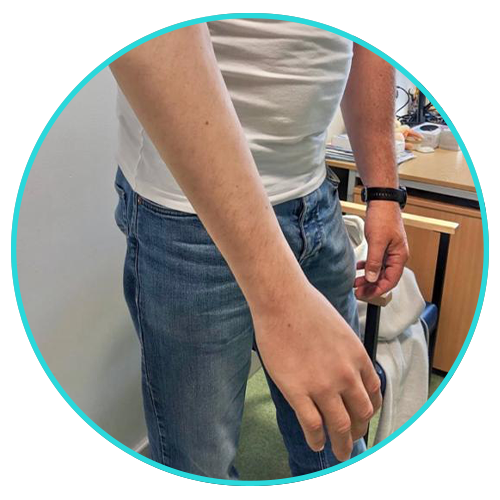
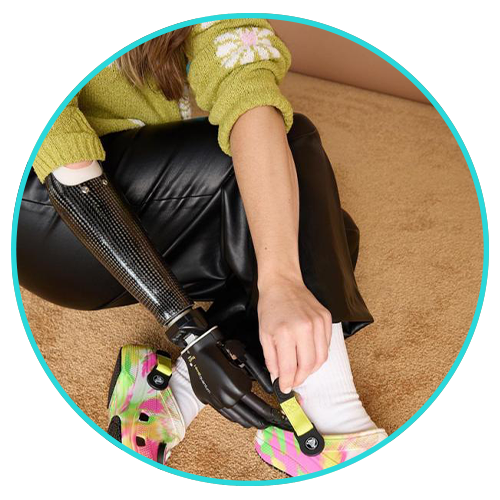
Prosthetic arm is an artificial limb used when a person loses one or both arms due to different reasons. Prosthetic arms replace the lost arm and provide people with mobility and functionality.

Types of Prosthetic Arms

tick svgrepo com 2 Bionic prosthetic arm

tick svgrepo com 2 Myoelectric prosthetic arm

tick svgrepo com 2 Silicone prosthetic arm

With the latest developing technology, bionic arm prosthetic and myo prosthetic arm provide functionality and control mechanism by transmitting the signals from the brain to the arm prosthetics with the sensor placed inside the socket. These are the most commonly used types of arm prosthetics.

Bionic Prosthetic Arm

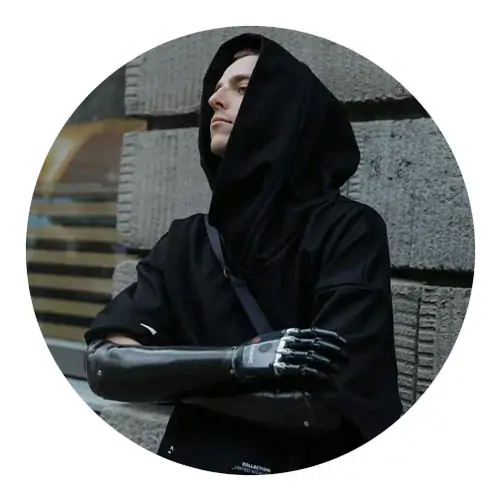
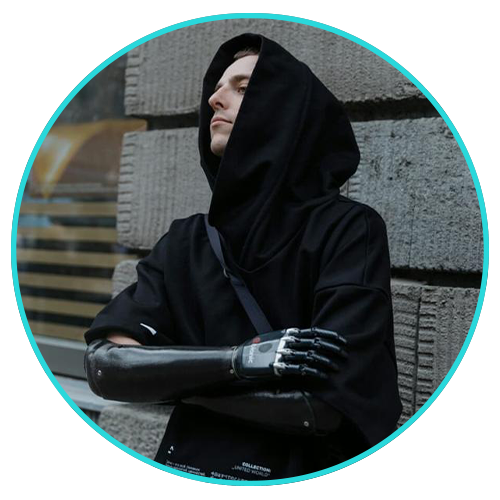
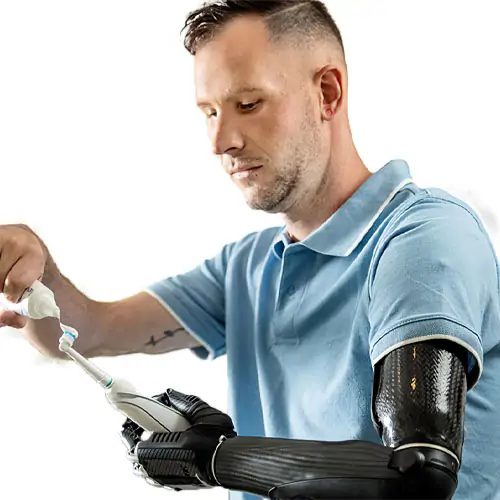
Bionic prosthetic arms are types of movable prosthetic arms that transmit signals from the brain like a normal arm and allow movement. All fingers can move voluntarily or involuntarily in different ways.

Bionic prosthetic arm has all the functions of a normal arm. It receives signals from the brain to the muscles through sensors inside the socket and moves accordingly. It can perform up to 70% of the tasks of a normal hand.

In bionic arm prosthetics, 10 to 30 different functional options are available for finger movements. Along with the prosthesis, patients are provided with silicone gloves that match their skin tone.

tick svgrepo com 2 Fully electronic

tick svgrepo com 2 Based on muscle movement and very easy to use

tick svgrepo com 2 Has 33% of the function of a hand

tick svgrepo com 2 Thumb is fully electronic

tick svgrepo com 2 Can perform gripping and holding movements

tick svgrepo com 2 5 fingers work independently

tick svgrepo com 2 Functional selection available from 12 to 32

tick svgrepo com 2 Used together with silicone gloves provided according to skin tone
prosthetic arm

Myoelectric Prosthetic Arm

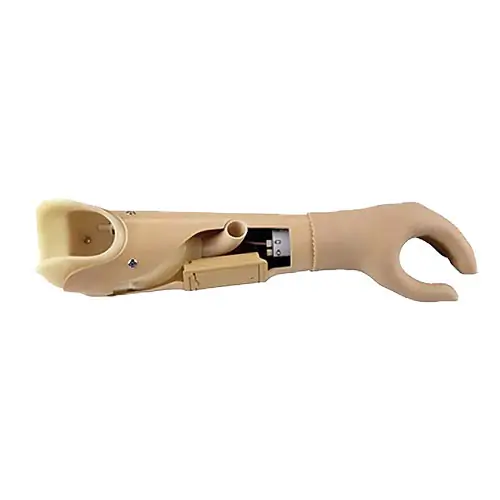
Myoelectric prosthetic arm is a type of arm prosthesis equipped with a semi-electronic system that operates by reaching the brain’s neurons. It detects the signals sent by the brain to the muscles through sensors inside the socket and performs movements like a normal arm.

In a myo prosthetic arm, only 3 fingers can move. Each of these fingers works differently from the others. The other 2 fingers are set in a fixed position and adjusted accordingly.

Myoelectric prosthetic arms can perform movements such as gripping, pulling, and holding, which a normal hand can do. All movements are performed by mirroring the patient’s other arm as a reference.

tick svgrepo com 2 Semi-electronic

tick svgrepo com 2 Can be attached from the hand, wrist, elbow, and shoulder

tick svgrepo com 2 The socket contains a system dependent on muscle movements

tick svgrepo com 2 Operates using signals received from the muscles

tick svgrepo com 2 Very easy to use

tick svgrepo com 2 Only 3 fingers are movable

tick svgrepo com 2 The other 2 fingers remain in a fixed position

tick svgrepo com 2 Can perform all types of gripping and holding movements
prosthetic arms

Silicone Prosthetic Arm

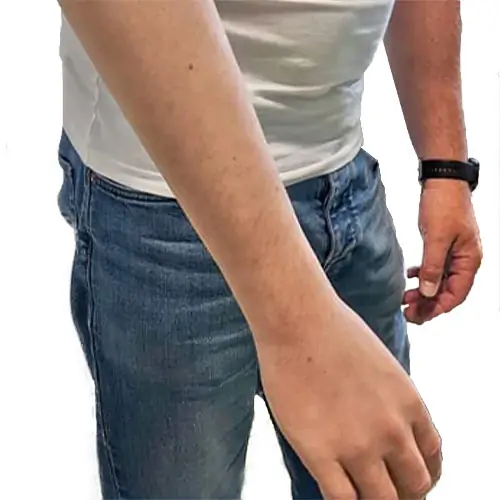
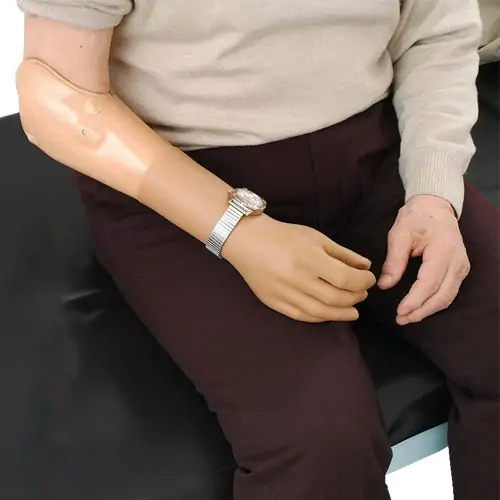
Silicone prosthetic arm is a type of prosthesis that should be applied after arm amputation.

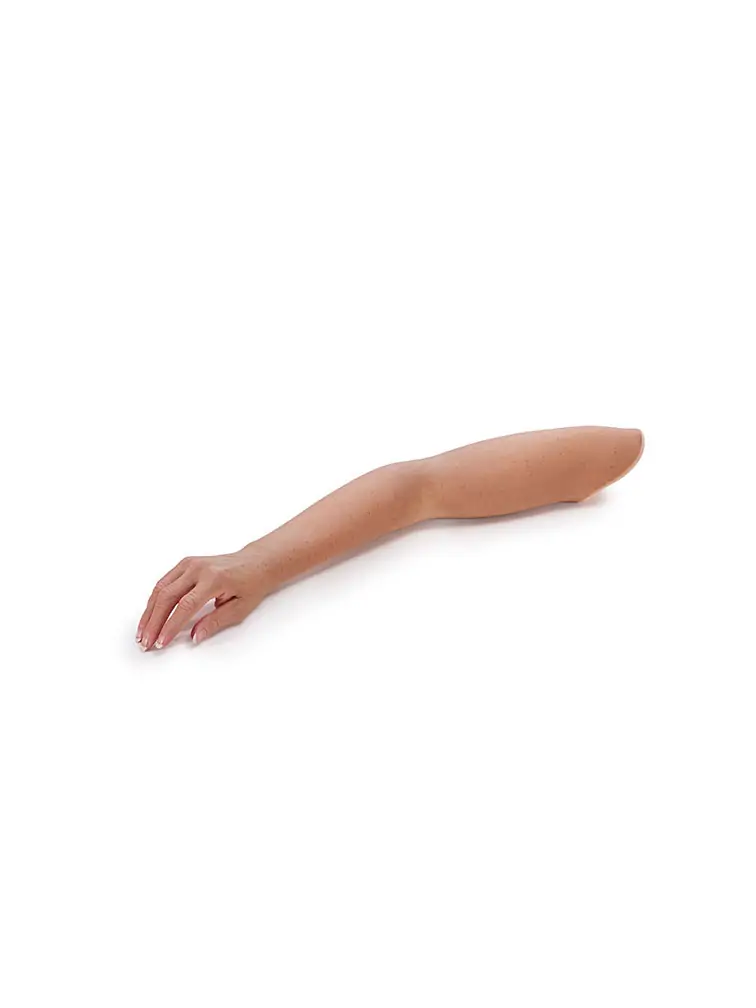
When making a silicone arm prosthesis, the measurements of the other arm are taken, and the prosthesis is produced using a replication method. It should be aesthetically made in terms of appearance, color, and size. 

In silicone arm prostheses produced by our specialists, the similarity rate is generally around 95%. These types of prosthetics are generally called custom prosthetic arm.

Additionally, for those using an electronic arm prosthesis who have aesthetic concerns, a silicone prosthetic arm can be made as a cosmetic cover to conceal the prosthetic arm.

Considerations when producing a silicone prosthesis:

tick svgrepo com 2 Skin tone

tick svgrepo com 2 Hair

tick svgrepo com 2 Veins

tick svgrepo com 2 Wrinkles

tick svgrepo com 2 Nails

tick svgrepo com 2 Redness

tick svgrepo com 2 Freckles

tick svgrepo com 2 Scratches

arm prosthetics

Prosthetic Arm Levels

Prosthetic arm measurements are adjusted according to the area where the limb loss has occurred. When using prosthetic arms attached from the elbow or shoulder region, it is important to pay attention to the difference in levels. To get maximum efficiency from an arm prosthesis, it is essential to have knowledge about prosthetic arm levels.

tick svgrepo com 2 Prosthetic arm below elbow   

tick svgrepo com 2 Prosthetic arm above elbow  

tick svgrepo com 2 Prosthetic arm shoulder

Below Elbow Prosthesis

prosthetic robot arm

Below elbow prosthesis is fitted below the patient’s elbow joint. It is specifically designed for patients who have experienced limb loss at the elbow or wrist level. These prosthetics are also called transradial prosthetic arm or forearm prosthetics.

Prosthetic arm types that can be used for below-elbow amputations:

tick svgrepo com 2 Myoelectric prosthetic arm can be used

tick svgrepo com 2 Bionic prosthetic arm can be used

tick svgrepo com 2 Silicone prosthetic arm can be used

Lower arm prosthetic is designed in the color option that best matches the patient’s natural skin tone.

Above Elbow Prosthetic Arm

robotic prosthetic arm

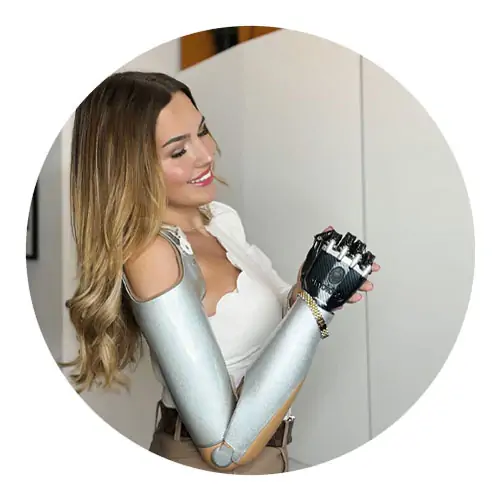
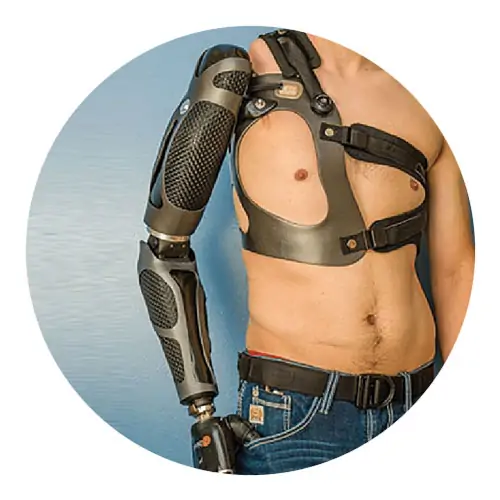
In an above elbow prosthetic arm, the connection point is located above the elbow. Patients who have lost their limb between the elbow joint and the shoulder can regain all the functional features of a real arm with an above-elbow prosthetic arm. These prosthetics can also be referred to as upper arm prosthetics.

Arm prosthetic types that can be used for above-elbow amputations:

tick svgrepo com 2 Michelangelo prosthetic arm can be used

tick svgrepo com 2 Myoelectric prosthetic arm can be used

tick svgrepo com 2 Bionic prosthetic arm can be used

tick svgrepo com 2 Silicone prosthetic arm can be used

Prosthetic arm above elbow is designed in a color that closely matches the patient’s natural skin tone. The prosthetic arm can be easily attached and used. Depending on the type of joint selected to replace the elbow, there are different electronic and mechanical options available.

Prosthetic Arm From Shoulder

robotic arm prosthetic

Prosthetic arm from shoulder is applied when a patient has experienced limb loss from the shoulder. Shoulder disarticulation prostheses can be used with mechanical or electronic joint options for the shoulder and elbow, depending on the patient’s preference.

Arm prosthetics types that can be used for shoulder disarticulation amputations:

tick svgrepo com 2 Michelangelo prosthetic arm can be used

tick svgrepo com 2 Myoelectric prosthetic arm can be used

tick svgrepo com 2 Bionic prosthetic arm can be used

tick svgrepo com 2 Silicone prosthetic arm can be used

Prosthetic arm shoulder is designed in a color that closely matches the patient’s natural skin tone. It can be easily attached and used. Depending on the type of joint selected to replace the elbow, there are different electronic and mechanical options available.

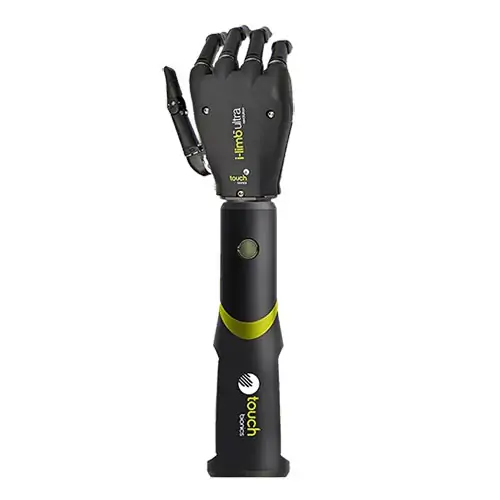
Össur Touch Bionics

tick svgrepo com 2 The hand part uses artificial intelligence

tick svgrepo com 2 Has five independently motorized fingers

tick svgrepo com 2 Offers the user up to 36 different gripping options

tick svgrepo com 2 Available in four hand sizes (XS, S, M, and L)

tick svgrepo com 2 Can grasp an object and adapt to its shape

tick svgrepo com 2 Gradually increases the gripping force on the object

tick svgrepo com 2 Avoids crushing delicate objects

robot prosthetic arm

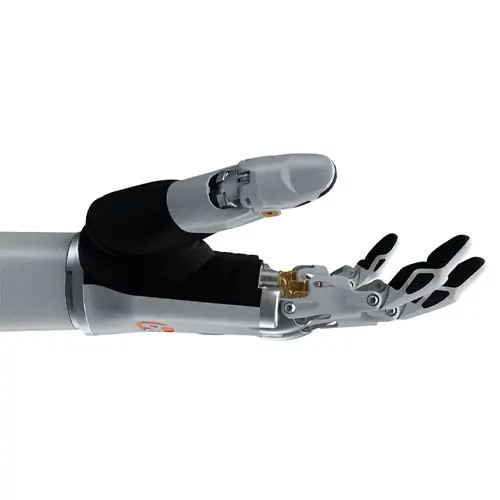
Ottobock Bebionic Prosthetic Arm

tick svgrepo com 2 Has 14 selectable types of grips

tick svgrepo com 2 Can perform activities such as eating and carrying a bag

tick svgrepo com 2 Successfully handles all challenging tasks

tick svgrepo com 2 Its motors enable natural grasping

tick svgrepo com 2 Maintains control even in the most delicate operations

tick svgrepo com 2 The hand part can be customized according to individual needs

tick svgrepo com 2 Very successful in providing intuitive and natural movements
arm prosthetic

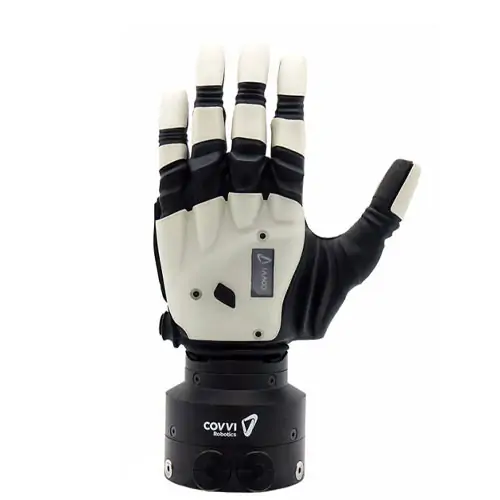
Covvi

tick svgrepo com 2 Fingers and wrist can mimic natural hand movements

tick svgrepo com 2 Prosthesis can be personalized via a mobile application

tick svgrepo com 2 Made with lightweight and durable materials

tick svgrepo com 2 Battery lasts for long-term use

tick svgrepo com 2 All movements can be adapted specifically to the user

tick svgrepo com 2 Aesthetically very stylish

tick svgrepo com 2 Very fast in converting incoming signals into movement
hand arm prosthetics

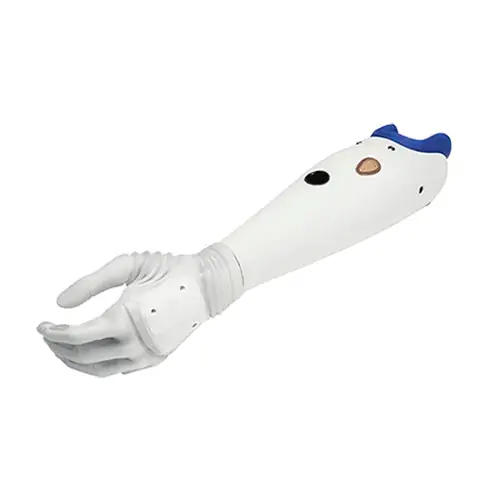
Michelangelo

tick svgrepo com 2 The most natural-looking prosthetic arm design

tick svgrepo com 2 4 fingers can be individually positioned

tick svgrepo com 2 Thumb can be positioned differently

tick svgrepo com 2 Produced with 2 motors for the most natural movements

tick svgrepo com 2 Main motor is responsible for opening, closing, and strong gripping movements of the hand

tick svgrepo com 2 Thumb, index finger, and middle finger are responsible for active movements

tick svgrepo com 2 Offers 7 different grip position options

tick svgrepo com 2 Can be positioned in an anatomical resting position when the prosthesis is not in use

tick svgrepo com 2 In addition to being the highest-quality electronic prosthetic arm, its cost is higher compared to Touch Bionic and Bebionic models
prosthetic arm design

Ottobock Myoelectronic

tick svgrepo com 2 All movements such as fast response, strong gripping, grasping large and small objects, and handling light and heavy objects can be performed

tick svgrepo com 2 Hands can open in real-time like a natural hand

tick svgrepo com 2 Moves according to the user’s relevant muscle signals

tick svgrepo com 2 Has 6 control mechanisms

tick svgrepo com 2 Prosthesis can be adapted to the individual needs of the user

tick svgrepo com 2 Grip strength and grip speed can also be adjusted
myoelectric prosthetic arm

Silicone Prosthetic Arm

tick svgrepo com 2 Can be applied in cases where the arm is amputated below the elbow

tick svgrepo com 2 Measurements of the other arm are taken, and the prosthesis is produced using a replication method

tick svgrepo com 2 Silicone arm prostheses should be aesthetically made in terms of appearance, color, and size

tick svgrepo com 2 In silicone arm prostheses produced by our specialists, the similarity rate is generally around 95%

Considerations when producing a silicone prosthesis:

DOLGULU TICK Skin tone

DOLGULU TICK Hair

DOLGULU TICK Veins

DOLGULU TICK Wrinkles

DOLGULU TICK Nails

DOLGULU TICK Redness

DOLGULU TICK Freckles

DOLGULU TICK Scratches

most advanced prosthetic arm

Frequently Asked Questions

We have answered all the questions you may have about prosthetic arms. You can read them in detail and contact us for more information.

What is a Robotic Prosthetic Arm?

Robotic prosthetic arm is a type of bionic prosthetic arm, also known by another name. Robotic arm prosthetic refers to fully electric prosthetics with multiple grasping options that operate via brain control.

Prosthetic robot arm types are generally capable of performing common activities such as handshaking, carrying a bag, and using a keyboard. The most important feature of a robot prosthetic arm is its ability to perform many daily activities. 

The most well-known robot arm prosthetic models are Ottobock Bebionic, Touch Bionic, Covvi, and Michelangelo.

How Does a Prosthetic Arm Work?

Working prosthetic arm transmits the signals received from the brain through sensors located inside the socket. As a result of these signals, the prosthesis moves. Of course, this applies only to bionic and myoelectric prosthetic arms.

How Many Days Does It Take to Prepare a Prosthetic Arm?


Arm prosthetic is generally delivered to the patient within about one week.

How to Care for a Prosthetic Arm?


Caring for a prosthetic arms is quite simple. The exterior of the prosthesis and the inside of the socket can be wiped gently with a damp cloth without causing any damage.

Can a Prosthetic Arm Get Wet?

Bionic or myoelectric prosthetic arms contain electrical components, so it is not recommended for them to come into contact with water. However, cosmetic prosthetic arm and silicone prosthetic arms do not have any issues with water exposure.

Are There Mechanical Prosthetic Arms?


Mechanical prosthetic arm is generally a type of prosthetic arm used only for cosmetic purposes. It does not have any functional capability. Mechanical arm prosthetic can sometimes be confused with a bionic arm prosthetic. This is because its external design resembles that of bionic arms.

Instead of mechanical prosthetic arms, we recommend cosmetic arm prosthesis or silicone arm prosthetics to our patients. Because prosthetic mechanical arm may not look very appealing(like prosthetic metal arm) for cosmetic purposes, a silicone arm prosthetic would be a better option instead.

What is a Body Powered Prosthetic Arm?


Body powered prosthetic arm is also known as prosthetic arm robotic. Body powered prosthetic arms operate by transmitting signals from the brain to the prosthetic through sensors located inside the prosthetic socket. Body-powered prosthetic arm models are types of bionic arms.

What is a Realistic Prosthetic Arm?

Realistic prosthetic arm can be referred to as a silicone arm prosthetic. Real prosthetic arm can look like a normal arm in terms of shape and color.

Most realistic prosthetic arm are prosthetics that include details such as color, veins, hair, redness, and scratches. The person making the prosthetic must be highly skilled for this. However, the most essential feature for a prosthetic arm that looks real is its color.

Electronic or bionic arm prosthetics cannot be a lifelike prosthetic arm because a prosthetic arm realistic must have an outer elastic structure. This is not possible with options other than silicone prosthetic arms.

Which is the Best Prosthetic Arm?


Best prosthetic arm refers to types of bionic prosthetic arms. The reason is that bionic prosthetics are the robot arm prosthetic controlled by thought. Therefore, these prosthetics can be considered the best prosthetic arm.

The best robotic arm prosthetic includes Bebionic, Touch Bionic, Covvi, and Michelangelo prosthetics. On the other hand, silicone arm prosthetics can also fall into the best arm prosthetic category because they look very realistic.

Which is a Modern Prosthetic Arm?


Modern prosthetic arm refers to the most advanced prosthetic arms, which are modern arm prosthetics that are fully electronic and include the robot-arm prosthetic controlled by thought.

Is There a Simple Prosthetic Arm?

Simple prosthetic arm models are available. A simple prosthetic arm design is generally a cosmetic-looking prosthesis that cannot be moved. These prostheses fall into the cheapest prosthetic arm category. This is the only model that can be given as an example of a cheap prosthetic arm, since the prices increase for other models.

How Is a Hand Arm Prosthetics Put On?


Putting on a hand arm prosthetics is quite simple. First, a cream or petroleum jelly can be applied to the stump to make it slippery. Then, the prosthetic arm socket should be carefully fitted onto the stump.

In bionic and myoelectric prostheses, the fingers should be moved to ensure full alignment and functionality. For other prostheses, since the fingers cannot move, proper positioning of the prosthesis is sufficient.

What is a Prosthetic Arm Controlled by Brain?


Prosthetic arm controlled by brain is a type of bionic prosthetic arm. The prosthetic robotic arm, also known as eeg based brain controlled prosthetic arm, operates by transmitting signals from the brain to the prosthetic. 

Mind controlled prosthetic arm is another name for this prosthetic. Thus, bionic prosthetics are types of prosthetic arm that is controlled by mind.

How Long Does a Prosthetic Arm Last?


The lifespan of a modular prosthetic arm is generally determined by the user. People who use their prosthesis carefully can continue using it for over 10 years. The warranty period for a prosthetic arm is 2 years.

How Do Prosthetic Arms Work?


Among prosthetic arm models, only bionic and myoelectric prosthetic arms are functional. These prostheses operate on the principle of transmitting signals from the brain to the muscles through sensors inside the socket.

These signals can control all everyday actions such as gripping, pulling, and holding. Regarding how a robotic arm works: in bionic prosthetic arms, typically the wrist and all fingers can move, whereas in myoelectric prosthetic arms, this functionality is more limited.

What Are Prosthetic Arm Levels?

tick svgrepo com 2 Below elbow prosthetic arm

tick svgrepo com 2 Above elbow prosthetic arm

tick svgrepo com 2 Shoulder prosthetic arm

What Are Full Arm Prosthetics?


Full arm prosthetics are prosthetic systems generally applied to individuals who have undergone amputation from the shoulder. In other words, the use of a full prosthetic arm requires the absence or amputation of the upper arm, including the shoulder. For a fully functional prosthetic arm, the upper arm section must also be equipped with electrical components. This allows the entire arm to be moved.

Can Double Arm Amputee Prosthetics Be Used?


Yes, double arm amputee prosthetics can be used. Although this situation is not very easy, with good training and rehabilitation the patient can comfortably use both the prosthetic right arm and the prosthetic left arm. Experienced prosthetic users often mention that using a left arm prosthetic can be more difficult.

What is an Emg Controlled Prosthetic Arm?


Emg prosthetic arm has the same meaning as a bionic prosthetic arm. The prosthetic arm using emg sensor develops its movement system by transmitting the signals coming from the brain to the prosthesis through the sensors it contains.

What is the Most Advanced Prosthetic Arm?


Most advanced prosthetic arm refers to bionic arm prostheses. Most advanced arm prosthetic generally refers to fully electric prosthetic arms. 

Advanced prosthetic arm models include examples such as Bebionic, Touch Bionic, and Covvi. Advanced prosthetic arms are prosthetic arms that can move with brain-controlled signals.

Can You Feel With a Prosthetic Arm?


Yes. Prosthetic arm that can feel models are bionic prostheses. A prosthetic arm that feels transmits the signals coming from the brain to the prosthetic arm through the sensors inside the socket, allowing the prosthesis to move. These prostheses are also called a prosthetic arm that feels.

Can You Take Off a Prosthetic Arm?

Yes. Prosthetics arm are systems that can be attached and removed. Different types of prosthetic arms exist. 

Examples include biomechanical prosthetic arm, carbon fiber prosthetic arm, controllable prosthetic arm, hydraulic prosthetic arm, nerve-controlled prosthetic arm, passive prosthetic arm, prosthetic arm with a sense of touch, and electronic prosthetic arm. 

At first glance, it may seem a bit complicated, but the process of attaching and removing all prosthetic arm models is the same.

Can You Control a Prosthetic Arm?


Yes. Electric prosthetic arm models can be moved. High tech prosthetic arm models are referred to as a functional prosthetic arm because they operate using signals coming from the brain. 

Latest prosthetic arm models include Covvi, Össur, and Ottobock prosthetic arm models.

Can You Drive With a Prosthetic Arm?


Yes. State of the art prosthetic arm models can be used to drive a car. Smart prosthetic arm models can generally provide benefits in all aspects of life. In fact, living with a prosthetic arm means exactly this.

Can You Get a Prosthetic Arm?


Yes. You can obtain a prosthetic arm through prosthetic arm manufacturers. Prosthetic arm options are quite extensive. By contacting specialist clinics, you can receive prosthetic arm information.

How to Make a Prosthetic Arm at Home?


Making a prosthetic arm at home is not possible. The reason is that a prosthetic arm kit must be assembled by specialists and fitted to the patient. Easy prosthetic arm models do exist, but they also cannot be made in a home environment.

Is There a Prosthetic Arm For Weightlifting?


No. Even the strongest prosthetic arm types are not suitable for weightlifting. In fact, the prosthetic arm design is not intended for this purpose. Prosthetics for arms generally perform simpler daily activities.

Can Prosthetic Arms Move?


Yes. Movable prosthetic arm types are available. Moving prosthetic arm types can be referred to as bionic prosthetics. These prosthetics are capable of performing many activities that a person can do in daily life.

Can You Move a Prosthetic Arm?


Yes. Prosthetic arm movement occurs when signals coming from the brain are transmitted to the prosthesis via sensors inside the socket. In addition, prosthetic arm with moving fingers models are also available. There are prosthetic solutions in which the fingers can be moved individually.

Are There Prosthetic Arms That Move?


Yes. Bionic prosthetic arms can be defined as prosthetic arms that move. A prosthetic arm that moves can successfully perform many activities required in daily life.

What Are Prosthetic Arms?


Prosthetic arm definition can be described as an artificial arm limb that replaces an amputated limb and is capable of performing many daily activities such as greeting, carrying a bag, and using a keyboard, or is used solely for aesthetic purposes.

What is a Latest Prosthetic Arm?


Latest prosthetic arm types are generally bionic prosthetic arm models. In addition, these prosthetics fall into the most expensive prosthetic arm category. These prosthetics fit the definition of an awesome prosthetic arm.

Can You Play Guitar With a Prosthetic Arm?


Yes. However, the level of amputation is important. Generally, below-elbow amputees can play the guitar more comfortably.

Can You Play Video Games With a Prosthetic Arm?


Yes. Here as well, below-elbow amputees will be more comfortable.

Can a Comparison be Made Between a Bionic Arm vs Prosthetic Arm?


In fact, a bionic arm is a type of prosthetic arm. In other words, a bionic arm is a subcategory of prosthetic arms. There are many types of prosthetic arms, such as bionic, semi-electronic, cosmetic, etc. The user chooses the type that best suits their needs and can then have the prosthesis made.

Why Should You Choose Us?
As the Provital Family, we are proud to have found solutions for countless patients.
Turkey's Leading Prosthetic Orthotics Clinic

Why Provital

check mark square 2 svgrepo com We meet you free of charge from the airport with our VIP vehicle and take you to your hotel.

check mark square 2 svgrepo com We transport you free of charge between the hotel and the clinic with our VIP vehicle during your entire treatment.

check mark square 2 svgrepo com We carry out your treatment in a well-equipped clinic and with our experienced prosthesis specialists.

check mark square 2 svgrepo com In our clinic, we have specialists who can make you feel at home and provide psychological support.

check mark square 2 svgrepo com We take special care of you with our large expert staff and fulfill all your wishes.
english

check mark square 2 svgrepo com WE ARE AT YOUR SERVICE WITH OUR EXPERT STAFF!

check mark square 2 svgrepo com You can receive physical therapy training from our team as much as you want during your entire treatment process.

check mark square 2 svgrepo com We follow the whole process closely and do not send you back to your country without making you feel comfortable.

check mark square 2 svgrepo com And yes, we do all this at much more affordable prices than clinics in many European countries.

check mark square 2 svgrepo com When the treatment is over, we take you back to the airport with our VIP vehicles.

check mark square 2 svgrepo com Even when you go to your country, we keep in touch with you.

check mark square 2 svgrepo com We offer you the opportunity to get all kinds of information by calling us 24/7 so that you can reach us before or after treatment.


Facilities We Provide During the Service Process

airport
Airport Pickup Service and Transfer
VIP
Free Transportation
hotel
Transfer between Airport and Hotel
VIP
Free Transportation
clinic
Transfer between Hotel and Clinic
Our staff will pick you up from the airport and take you to the hotel. After you have settled in your room, our staff will pick you up again at a convenient time and bring you to the clinic.
After meeting you at the clinic, our specialists will examine the patient. Afterwards, we will exchange ideas and decide on the most suitable prosthesis for the patient.
After the decision, prosthesis construction starts. After the prosthesis is attached to the patient, the physical therapy process begins. With physical therapy, the patient fully adapts to the prosthesis.

Those Who Prefer Us

You can examine our patients who trust us and receive our service by scrolling to the side.

What did the patients who received our treatment say about us?

100s of Satisfied Patients I 100% Trust

Our Business Partners

Affiliated Brands

Contact Form

You can contact us by filling out the form!

Map